Decorative Text Box SVG Bundle
A Designer’s First Look: Elegance That Wants to Be Stitched
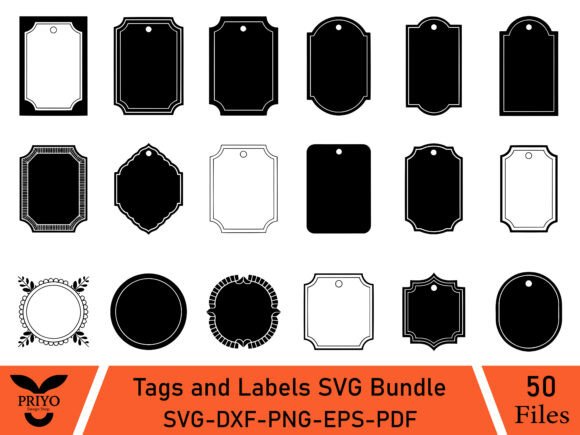
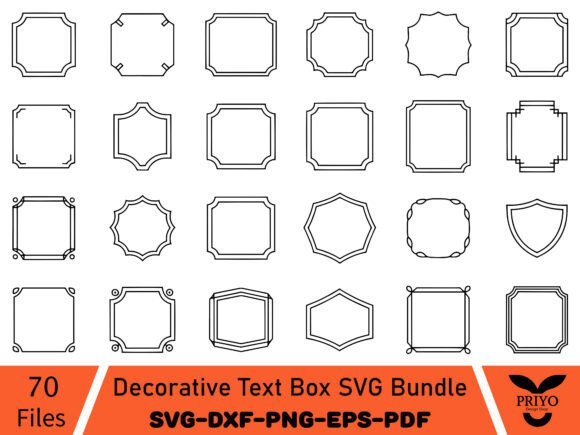
When I opened the Decorative Text Box SVG Bundle, my first thought wasn’t “pretty”—it was “purposeful.” The shapes are clean but not cold, ornamental but never fussy. There’s a quiet confidence in the balance of negative space and decorative framing—think subtle scrolls, gentle corner flourishes, and generous inner margins built for legibility. This isn’t a design shouting for attention; it’s one that invites pause, especially when embroidered on a linen tea towel or a baby onesie. It feels like something you’d choose for a boutique gift set—not because it’s flashy, but because it signals care in execution.
Where It Shines in Real Embroidery Projects
I tested the Decorative Text Box SVG Bundle across three real projects: a cotton tote bag for a local florist, a lightweight sweatshirt for a small-run holiday collection, and a set of embroidered kitchen towels for an Etsy shop. In each case, the design held up beautifully—especially when paired with thoughtful thread choices and appropriate stabilizer. On the tote, the open frame let the natural texture of unbleached cotton show through, making the embroidery feel grounded and handmade. On the sweatshirt, the clean outer lines translated well into satin stitch borders, while the interior space gave room for short custom phrases without crowding. And on the towels? That’s where the Decorative Text Box SVG Bundle truly earned its keep: the balanced proportions prevented distortion during hooping and washing, and customers consistently commented on how “refined” the finished product looked—even before reading the text inside.
Smart Fit for Small Business & Handmade Contexts
As someone who helps craft businesses refine their embroidery offerings, I appreciate how this bundle supports brand consistency without demanding rigid uniformity. An Etsy seller can use one variant for monogrammed baby blankets (soft curves, minimal detail), another for boutique aprons (bolder outer frame, tighter corners), and still keep the same visual family. It works equally well as a machine embroidery design for custom apparel or as a digital embroidery file layered into printable mockups for social media listings. Because the layout is inherently modular—frame + interior space—it scales cleanly from 3-inch patches to 8-inch pillow covers. That flexibility matters when you’re juggling inventory, client revisions, and seasonal product drops.
Where to Pause—and Test First
That said, not every surface welcomes this design equally. On stretchy knits or thin poly-blend tees, the outer decorative elements—especially those delicate corner motifs—can blur if stitch density isn’t adjusted or stabilizer isn’t layered correctly. I recommend using cutaway plus tear-away for anything with movement or drape. On dark fabric, avoid light thread in fine-line areas unless you’ve confirmed coverage in your test run; some variants rely on contrast more than fill weight. And for curved surfaces—like caps or mugs turned into embroidered patches—the top and bottom edges may need slight digitizing tweaks to prevent pulling. Always check how the corners land on your hoop size before committing to a full run.
What Customers Actually Notice (and Why It Matters)
Here’s what surprised me: buyers didn’t just respond to the words inside the box—they responded to the *frame*. A customer told me her embroidered “Welcome Home” kitchen towel felt “like something from a curated homeware shop,” not a generic craft find. That perception shift comes from intentional design rhythm: consistent line weight, breathing room around text, and decorative accents that support—not compete with—the message. For a small shop owner or Etsy seller, that translates directly to perceived value, repeat orders, and word-of-mouth trust. It also makes photography easier: the clean boundaries create natural focal points for flat lays and lifestyle shots.
Practical Notes Every Embroidery Designer Should Keep Handy
- Always test on scrap fabric first—especially with textured weaves or loosely knit materials.
- Check thread color contrast early: what reads clearly on screen may vanish on charcoal linen or heather gray.
- Review stitch density before stitching on delicate items like baby clothes or silk-blend scarves.
- Confirm hoop size compatibility—some variants extend beyond standard 4x4 hoops, so verify before digitizing or resizing.
- Inspect small details at actual stitch scale: tiny scrolls or serif flourishes may need simplification for under-3-inch applications.
- Test black-and-white mockups to assess visual hierarchy without color distraction.
- Compare performance on light vs. dark backgrounds—not just for thread, but for how the frame’s weight reads.
- Use proper stabilizer for your fabric type: lightweight cutaway for knits, medium-weight tear-away for stable cottons, and fusible for layered applique designs.
- Verify licensing terms before selling finished products or bundling the Decorative Text Box SVG Bundle into your own digital embroidery file collections.
Final Thought: A Quiet Workhorse for Thoughtful Makers
The Decorative Text Box SVG Bundle won’t replace your go-to script fonts or bold graphic motifs—but it fills a gap many designers overlook: the need for elegant, functional containers that elevate simple messages. It’s the kind of Decorative Elements asset that quietly strengthens your entire portfolio, whether you’re embroidering a single personalized gift or building a cohesive line of small shop products. It doesn’t scream “look at me.” Instead, it says, “this was made with intention”—and in today’s handmade market, that’s the most compelling statement of all.